In a recent Industrial Media poll, manufacturing and engineering professionals were asked, “Which of the following best describes your feelings about U.S. manufacturing growth over the next 12 months?”
Within just 24 hours, the poll drew 366 votes. Of these votes, more than half provided optimistic feelings. About 33% (119 votes) indicated a somewhat optimistic outlook, while 22% (82 votes) indicated a very optimistic outlook. All together, these results indicate that manufacturers and engineers alike think there are good things still to come for U.S. manufacturing.
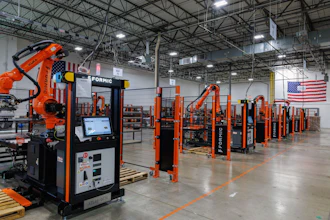
This positive outlook is strongly tied to the industry's rapid technological evolution. The integration of advanced technologies is transforming the sector, promising less waste, improved efficiency and the development of new capabilities. As reported by the American Society of Mechanical Engineers (ASME), this optimism is supported by a significant push toward smart manufacturing. Manufacturing companies are actively preparing for the adoption of new technologies, software and tools, leading to expanded budgets for an evolving landscape where Industry 4.0, artificial intelligence (AI) and sustainability are becoming central focuses.
Beyond technology, manufacturing remains a cornerstone of the U.S. economy, driving large shares of R&D and exports. The industry seeks to maintain this leverage through a mix of domestic investment and positive projections. Changes in the geopolitical landscape are also playing a role, as vulnerabilities push companies to nearshore or reshore operations, resulting in a much more resilient national industrial base. Augury’s VP of Business Development Chris Dobbrow summarized this sentiment in a May 2025 blog post: “At the end of the day, it’s simple: it’s about continual improvement. It’s about making that delicious bowl of chips even better. Surely, we can all get behind that?”
However, not all respondents share the same positive view of manufacturing's near future. Survey results indicate that about 19% of voters (69 votes) have a pessimistic outlook, a skepticism likely rooted in persistent workforce and operational challenges. One major concern is the impact of automation on employment. While robotics and AI boost efficiency and eliminate downtime in warehouse environments, they also contribute to job displacement and the loss of the "human touch." This technological shift has highlighted issues such as wage stagnation and growing workforce inequalities.
Alongside these employment shifts is the growing skills gap. As automation takes over simple, repeatable tasks, workers are required to transition into more specialized roles that demand leadership and advanced training. As suggested by a previous Industrial Media survey, this need for reskilling and upskilling is now key to the industry's long-term survival. External challenges also loom; an UpKeep blog points to a variety of alternative issues that could hinder growth, including supply chain disruption, material shortages, difficulties with technological integration and maintenance backlogs. These factors could all play a part in driving manufacturing toward regression if not effectively managed.