QAD | Redzone announced an expanded “Better Together” integration between Redzone Connected Workforce and QAD Adaptive ERP, designed to connect frontline execution with the broader enterprise and manufacturing technology environment.
“Manufacturers don’t operate in silos, and their technology shouldn’t either,” Redzone President Ken Fisher said. “This is much bigger than connecting two products. We’re connecting the frontline with the systems that run the rest of the manufacturing business, creating a continuous flow of information and action.”
Reyes Automotive Gains Capacity Visibility
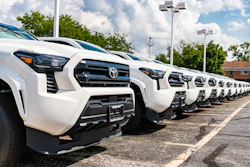
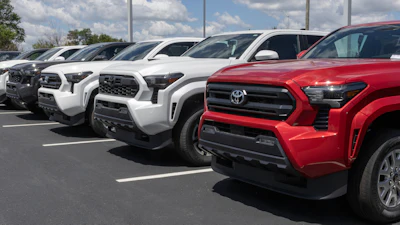
Reyes Automotive, a QAD ERP customer and Tier 1 supplier to Toyota, turned to Redzone after determining its existing systems limited the optimal capacity of its plant floor. With Redzone connected to its QAD ERP environment, Reyes reportedly gained the necessary visibility to quantify that capacity, allowing leadership to pursue growth beyond its original customer base without jeopardizing existing commitments.
How the Integration Connects Frontline and ERP Data
CIOs and operations leaders have long pointed to a persistent gap: Frontline tools that never quite connect to the systems running the rest of the business. According to QAD | Redzone, its new integration capability, built with Boomi, closes that gap, connecting seamlessly to ERP, EAM, MES and quality systems so enterprise data flows naturally into frontline workflows.
“Manufacturers have spent decades investing in systems that help them understand what happened,” Fisher said. “The opportunity now is to help them move faster using an AI-powered back office that plans and manages the business, a connected workforce that executes against that plan on the floor and an intelligence layer that acts and increasingly helps determine what should happen next, from the top floor to the shop floor.”