While in this instance it was very predictable, the food safety landscape has once again evolved.
News dropped in March that the SQF Code Edition 10 audits are expected to begin on Jan. 2, 2027. As we regularly discuss with our customers (and live by as we’re audited and certified ourselves under the SQF Food Safety Code for Storage and Distribution), it means the time to prepare is now. However, preparation is no longer just about ensuring you can pass a multi-day inspection; Edition 10 represents a major evolution that shifts facilities from reactive risk management to a proactive, 365-day commitment.
By introducing a new digital-first experience and making food safety culture a measurable requirement, this edition has changed how food manufacturers and dairy processors must operate and interact with the code.
How to Navigate the SQF 10 Digital Shift
SQFI has digitized the SQF Food Safety Edition 10 Codes for an enhanced user experience, moving away from guessing which code applies or tediously downloading multiple PDFs. It’s a change for the better as facilities can now use a new interactive tool to generate a single, consolidated code that aligns exactly with their applicable products, processes, and scope.
This digital shift is intentional, supporting faster updates, improved navigation, and real-time translations. It bridges the gap between administrative updates and everyday operational culture, allowing teams to cross-reference and structure requirements for real-world application.
Building a Measurable Food Safety Culture
The overarching theme of Edition 10 is “take a proactive approach to consumer protection and risk management.” A major change is the mandate for a comprehensive Food Safety Culture Assessment Plan.
Essentially, it means that facilities must set clear objectives and performance measures, demonstrating strategies for effective communication, comprehensive employee training, systematic feedback mechanisms, and continuous improvement processes.
To minimize human error and support this robust culture practically, organizations should focus on efficiency and cross-contamination prevention through everyday strategies. Here are a few examples:
Implement Color-Coding Programs: Using designated colors for tools like brushes, brooms, and material handling equipment prevents cross-contamination of allergens and food-borne illnesses. It’s a key pillar of food safety that Nelson-Jameson is particularly passionate about as we strategize with food manufacturers and dairy processors literally every day.
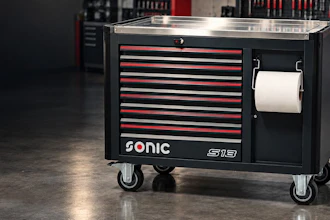
Ensure Training Proficiency: Effective training requires redundancy, such as repeatable checklists for servicing assets or organizing sanitation carts, to ensure continuity between shifts.
Protect Against Contamination: Utilizing metal-detectable tools across your entire facility reduces the risk of physical contaminants that could potentially even reach consumers.
Integrate Pest Management: A comprehensive program should prioritize prevention and exclusion over simple treatment.
What Do Auditors Actually Seek?
A physical audit typically lasts only a few days, but preparation must happen during the other 360-plus. Auditors are not there to try to fail a facility, but to observe and research processes that are aligned with the guiding SQF motto: "Say what you do, do what you say".
Here are three key pillars that we know auditors will focus on:
- Impeccable Documentation: Auditors spend hours reviewing documentation for programs like HACCP, GMPs, and allergen management, looking closely for inaccuracies, missing information, and trends in program management.
- Verification in Practice: After the desk audit, auditors proceed to the warehouse or processing site to compare documented programs against real-world activities to answer the central question: "Is the company doing what they say they are doing?"
- Prerequisite Programs and Personnel: Critical areas such as cleaning, maintenance, and pest control are reviewed, and personnel are interviewed to confirm their knowledge of job functions and key safety programs.
Partnering for Continuous Improvement
Achieving and sustaining a high SQF score is a top-down, team effort requiring diligence from all personnel. At Nelson-Jameson, we understand this commitment firsthand, having recently scored a perfect 100% on SQF audits across our Amarillo, Jerome, Marshfield, and Turlock distribution locations.
A successful food safety program calls for a multi-layered defense system that safeguards both your products and your brand. Partnering with suppliers can provide crucial resources, including expert-led audits, assessments, and training to support continuous improvement goals every day of the year.
Wendy Johnson is Director of Safety and Corporate Compliance at Nelson-Jameson, a leading distributor in the food processing industry.