As of October 1, 2025, the federal government has once again entered a shutdown following failed congressional negotiations, and this time it coincides with the expiration of the Livestock Mandatory Reporting (LMR) program. For the U.S. food and beverage manufacturing sector, particularly meat and poultry processors, this dual disruption creates uncertainty at a moment when food safety and market transparency are more critical than ever.
According to the USDA’s Lapse of Funding Plan, the Department is implementing a series of contingency measures designed to protect public health and maintain essential operations, but the scale of disruption should not be underestimated. USDA’s own plan notes that tens of thousands of employees are slated for furlough across the Department, with only a limited subset recalled to protect core food safety, inspection, and market functions.
“Total number of agency employees expected to be on board before implementation of the plan: 85,907. Total number of agency employees expected to be furloughed under the plan (unduplicated count): 42,256”
- USDA Lapse of Funding Plan
While this framework provides a necessary safety net, the longer the shutdown persists, the more pressure it places on these reduced systems.
In this article, we’ll break down what food and beverage processors can expect during this shutdown, what the USDA lapse plan signals for food safety and market transparency, and, most importantly, what proactive steps manufacturers can take to safeguard compliance, operations, and consumer trust.
FSIS Continues …With Caveats
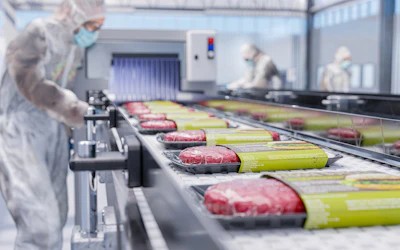
According to the USDA’s Lapse of Funding Plan, FSIS in-plant inspection and related frontline activities are deemed “excepted functions” under the Anti-Deficiency Act. That means inspectors are legally required to continue working to protect public health.
For food manufacturers, this is both reassuring and limiting: the critical backbone of food safety remains intact, but many supporting services will pause.
What Will Continue
- In-plant inspections at meat, poultry, and egg facilities.
- Outbreak investigations and laboratory testing tied directly to public health threats.
- Emergency preparedness and response if foodborne illness or contamination incidents arise.
What Will Be Paused or Delayed
- Label approvals: new labels or changes to existing product labels may be delayed until normal operations resume.
- Routine policy clarifications: guidance documents and updates that many processors rely on for compliance could be stalled.
- Training, outreach, and administrative initiatives: noncritical FSIS activities, particularly those supporting small and very small plants, will be suspended.
- Backlog risk: while inspections continue, a pause in these “non-essential” functions could create a backlog of requests once the shutdown ends.
Safety is Protected, But Transparency is Compromised
The USDA lapse plan secures the minimum necessary functions to protect public health and market stability, but it leaves blind spots in compliance and transparency that food manufacturers must actively manage:
 SafetyChain
Safeguarding Compliance, Operations and Consumer Trust During the Shutdown
To operate with confidence, companies should take proactive steps that go beyond simply waiting for Washington to act.
1. Strengthen Recordkeeping and Documentation
Maintain a digital trail of all submissions, from label applications to LMR data uploads, and be sure to capture timestamps, acknowledgments, and internal sign-offs so you can quickly back-report when normal operations resume.
SaaS-based compliance platforms, like SafetyChain Software, can centralize these records and ensure they are audit-ready.
2. Continue Voluntary LMR Reporting
Be consistent with your reporting to help stabilize pricing and demand signals across the supply chain, protecting your own procurement and sales negotiations. And encourage suppliers and partners to do the same to reduce market blind spots.
3. Assign a Compliance and Communications Lead
Designate one person or team to monitor USDA and Meat Institute notices, interpret policy updates, and cascade information across operations. A centralized role ensures plants aren’t left in the dark and reduces confusion around shifting requirements.
4. Build Flexibility Into Product Development and Labeling
Anticipate delays in label approvals and factor them into launch timelines. For products awaiting approval, maintain contingency packaging or hold plans until regulatory review resumes.
5. Prioritize High-Risk Food Safety Areas
Ensure HACCP plans, preventive controls, and verification checks are being executed consistently, and pay extra attention to high-risk categories such as ready-to-eat meats, poultry, and egg products, which carry heightened safety scrutiny. Be sure to document all verification and monitoring steps thoroughly, as FSIS oversight of noncritical areas is scaled back.
6. Leverage Digital Tools for Agility
Look into cloud-based compliance and food safety platforms that allow teams to:
- Automate reminders for required checks and records.
- Track market data from multiple sources when USDA reporting is inconsistent.
- Share updates in real time across plants and commercial teams.
These tools ensure continuity when traditional government support slows down.
7. Reassure Customers and Consumers
Communicate proactively with downstream partners about your ongoing food safety practices, and highlight that FSIS inspections remain in place, reassuring stakeholders that consumer safety is not compromised. Transparency in communication builds trust and mitigates reputational risk during uncertain times.
By taking these proactive measures, food manufacturers can safeguard compliance, protect operations from disruption, and maintain consumer trust — even when government support is limited. The shutdown may slow certain functions, but resilience comes from preparation, documentation, and the smart use of digital compliance solutions.
For more information, visit www.safetychain.com.