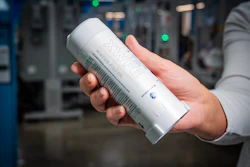
Honda said earlier this month that it reached a decision with General Motors to discontinue their Fuel Cell System Manufacturing (FCSM) joint venture by the end of 2026, bringing nearly a decade of collaboration to a close.
The Japanese company’s announcement comes a few months after GM said the joint venture would stop producing hydrogen fuel cells for data centers and power generation. While the American automaker acknowledged hydrogen’s potential for high-demand industrial applications, it called the path to a sustainable fuel cell business “long and uncertain”—citing high costs and limited U.S. infrastructure that hinder consumer adoption of fuel cell-powered vehicles.
Most Read on IEN
- Del Monte Fresh Produce Company to Buy Canned Vegetable Brand
- Hot Sauce Brand Sues Contract Manufacturer Over Bottles 'Exploding’
- Steel Factory Officials Detained After Explosion Kills 4, Hospitalizes 84
- Nissan Sued Over Rear Windshields That Can Spontaneously Explode
A spokesperson told IEN that GM will work to identify other opportunities for the few dozen workers impacted by the decision. The company added that it will turn its focus to batteries, charging technology and electric vehicles. Honda has not said how the discontinuation will affect its workforce.
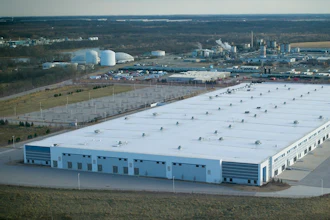
The automakers established the FCSM joint venture nine years ago in Brownstown, Michigan, with successful applications including systems that power Honda’s CR-V fuel cell vehicles leased in California.
Honda noted that both sides discussed continuing the business but ultimately decided to end production. Instead, Honda plans to use its independently developed fuel cell system technologies. Unveiled last February, the automaker said the Next Generation Fuel Cell Module would serve as a successor to the joint venture’s model.
The company had planned to begin mass production of the next-generation module in Japan in 2027. However, a Honda spokesperson told IEN that facility delays last year may push back the timeline.
Click here to subscribe to our daily newsletter featuring breaking manufacturing industry news.