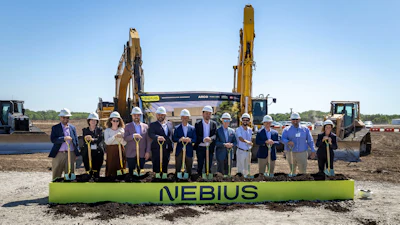
Nebius broke ground on its flagship AI factory campus in Independence, Missouri – the company’s first gigawatt-scale digital infrastructure project in the U.S.
The ceremony brought together state and local leaders, economic development partners, community members and company representatives to mark the start of construction of the multi-building AI factory on approximately 400 acres in eastern Independence.
Nebius already operates in the Kansas City area and sees the Independence AI factory as a next step in its long-term growth in the U.S. The company said it is building the full-stack platform for developers and companies — from data and model training to production deployment.
“Projects like this are built for the long term, and we are committed to developing this facility in a way that directly benefits Independence,” said Nebius Board Chairman John Boynton in a statement. “We want to create lasting opportunities, act as a good partner with the community, and set a standard for developing AI and digital infrastructure responsibly.”
“Missouri continues to lead in innovation, infrastructure, and investment, and this facility in Independence is another example of that momentum in action,” said Governor Mike Kehoe in a statement. “This investment from Nebius strengthens Missouri’s position as a national leader in digital infrastructure, while creating quality jobs, supporting local schools and businesses, and generating long-term opportunity. We are proud to support investments that keep Missouri competitive and moving forward.”
Construction of the first phase of the AI factory is now underway. In both the construction and operation phases, Nebius has put in place intentional design measures to minimize impact at a local level, including by minimizing water use, containing noise and light and protecting ratepayers.
Creating approximately 1,200 construction jobs and 130 permanent positions at full operation, Nebius’ Independence investment is also expected to generate $650 million in tax payments to local school districts and taxing jurisdictions over the next 20 years.