Modern equipment designs are evolving to incorporate hydraulic power alongside electrical controls and automation, requiring engineers to rethink how these technologies work together as fully integrated systems. Choosing the right components and spec sheets is no longer enough. Hydraulic engineers must evaluate how those components work together in integrated systems where expectations for reliability and performance are high.
Several trends are driving these higher expectations. Along with integrated systems, hydraulic engineers are working with increasingly stringent sustainability standards, a push for zero-spill connections, multi-functional equipment with interchangeable attachments, and multi-circuit or multi-media connections, such as electrical, pneumatic, water, and hydraulic lines.
Managing all connections efficiently, safely, and reliably is key to maintaining productive operations.
Shifts in Hydraulic System Design and Engineering Demands
Hydraulic system engineering is moving beyond selecting the right coupler size for fluid transfer. Engineers are developing connection solutions that simplify complex configurations and perform reliably in demanding environments.
Some of the most notable shifts include:
Prioritizing full-system, interface design
Engineers are evaluating how connections, flow paths, pressure, and layout decisions affect overall machine performance, rather than focusing only on individual part specifications. Sealing design, connection-under-pressure, and ease of use all influence long-term reliability. Exposure during connection and disconnection remains a key source of system issues, prompting greater attention to sealing and interface design.
Designing for complex, multi-function equipment
Machines are expected to handle multiple tasks, often with interchangeable attachments, thereby increasing the need for reliable, repeatable hydraulic interfaces. Engineers include auxiliary connections and multi-coupling solutions to reliably simplify multiple connections and disconnections.
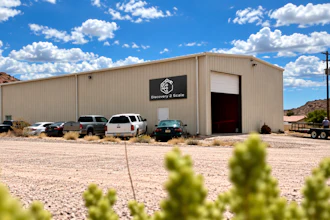
 Stucci, Inc.
Increased use of multi-circuit, electrical connection systems
The design of mobile and industrial hydraulic equipment is increasingly using electrification to reduce its carbon footprint. Engineers are improving connection solutions for multimedia, such as hydraulic and electrical lines, with multi-coupling plates. Multi-coupling plates quick-connect electric, pneumatic, water, and hydraulic fluid lines simultaneously, even under pressure, with leak-free performance.
Greater focus on contamination control
Connection interfaces are common entry points for contamination, often bypassing the filtration system and ultimately affecting equipment performance. Design attention is increasingly placed on sealing performance and minimizing exposure during connection and disconnection. Contamination control should be engineered into the full system design.
Higher expectations for uptime
Connection points, maintenance access, and usability are being designed around real working conditions. Equipment that is easier to service and less prone to connection issues spends more time operating.
Wider range of operating environments
Equipment is expected to perform across varying temperatures, harsh conditions, and with different fluid types. Connection design must account for these variables to maintain consistent performance.
Shift toward application-specific, custom-engineered configurations
Standard components are still widely used, but more systems now require hydraulic connections customized to meet space constraints, workflow, and performance demands.
While this list highlights key trends, it reflects only part of what hydraulic engineering teams must address today. In addition to customized, full-system design, hydraulic engineers support troubleshooting and ongoing performance improvements throughout the equipment lifecycle. Performance is increasingly defined by how well the system works in practice, not just how individual components perform on paper.
OEMs and engineers need a reliable hydraulic engineering partner for long-term connection solutions.
Design and Engineering That Adapts to the Application and Industry
As hydraulic systems become more complex, the gap between a design that works on paper and one that performs reliably in the field becomes more apparent. Closing that gap often requires more than standard component selection. It requires engineering support that can adapt to the application's realities.
Having spent over three decades in fluid power across various engineering and leadership roles, I have found that many hydraulic challenges are not solved by specification alone, but by a willingness to work through the details of how equipment is actually used. The right approach is simple: build a bridge to the workflow.
In practice, that is not always so simple for some of the larger hydraulic engineering companies. Stucchi’s hydraulic engineers have always taken a different, more flexible, hands-on approach: adapt and overcome.
This may involve disassembling and reassembling components, adjusting configurations, swapping seals, creating custom manifolds or multi-coupling systems, modifying, and testing; basically, working outside of the rigid process control temporarily to develop the best connection solution. This flexible approach prioritizes what works to maximize uptime and customer success.
These challenges are often shaped by the application and the industry in which the equipment operates. Equipment used in construction, agriculture, material handling, or industrial automation often operates under unique conditions that influence how hydraulic systems are designed and supported. Requirements such as high-cycle connections, exposure to harsh environments, integration with specialized attachments, or compatibility with different media all shape the need for industry-specific connection approaches.
Hydraulic engineering teams are well-versed in all applications and industries, drawing on experience with a range of connection solutions that operators may not be aware of.
Hydraulic Engineering Partnership: Solutions, Validation, Ongoing Support
Having a long-term partnership with your hydraulic supplier’s engineering team enables OEMs to procure more than just products; they gain a partner willing to adapt to their constraints and provide custom design and engineering solutions.
OEMs today need real problem-solving abilities and a hydraulic partner with the knowledge and capabilities to create custom connection solutions.
Scott Rolston is President of Stucchi, Inc., a subsidiary of Stucchi SPA. He has devoted 28 years to the fluid power industry in sales, management, and leadership roles.