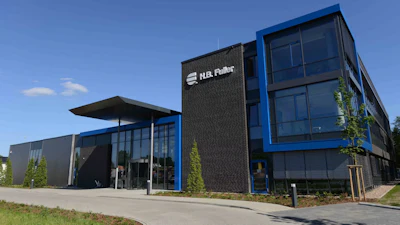
H.B. Fuller, one of the world’s largest pureplay adhesives company, announced significant advancements on Project Quantum Leap, its multi-year supply chain transformation initiative designed to streamline operations, enhance manufacturing and distribution capabilities, and unlock shareholder value.
Since outlining this program at its 2025 Investor Day, the company has made progress on several major workstreams, with tangible benefits including:
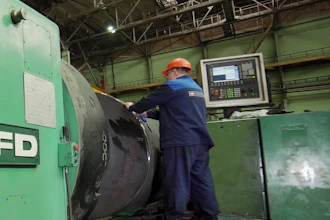
- Optimizing its manufacturing network: By consolidating production into larger, more efficient facilities, H.B. Fuller has already reduced its global manufacturing footprint from 82 sites at the end of 2024 to 64 at the end of the third quarter of fiscal year 2026. The company expects to further reduce its footprint to 55 facilities by 2030, including seven recently announced site closures in North America and Europe. Certain activities from these targeted facilities are being transitioned to H.B. Fuller’s new Aerospace Manufacturing Center of Excellence in Charlotte, North Carolina, while others will move to its newly operational, low cost and highly integrated site in Monterrey, Mexico.
- Modernizing distribution: H.B. Fuller is also reorienting its North American distribution network around six Regional Distribution Centers (RDCs) to position products closer to end customers. This transition is expected to reduce LTL shipping points by more than 80%, leading to greater inventory control, reduced working capital needs, and higher customer service levels. The RDCs are expected to support approximately 60% of total North America volume by 2030.
- Delivering significant cost savings: Project Quantum Leap is expected to generate $75 million in annual cost savings by 2030 – with approximately $25 million of those benefits realized by the end of 2026 and an additional $20-$25 million in 2027. As production moves to modernized facilities, H.B. Fuller expects operating costs on transferred volumes to decline by as much as 50%.
- Driving capital efficiencies: Cost savings are now ramping while Project Quantum Leap’s capital investment requirements are diminishing. Following approximately $100 million of capital investment through 2026, the Company anticipates less than $25 million of capital spending in 2027, with further reductions in spending after 2027. Furthermore, the modernized facilities where volumes are being concentrated are expected to require significantly less maintenance capital.
- Advancing sustainability objectives: The modernized facilities in which the Company is consolidating its footprint operate with more than 60% lower energy intensity and more than 40% lower greenhouse gas intensity relative to legacy sites.
“Project Quantum Leap is central to our strategy to drive more profitable growth by modernizing our manufacturing and distribution networks,” said Celeste Mastin, President and CEO of H.B. Fuller. “We have moved decisively from planning to execution, and these results validate the opportunity to increase efficiency, reduce operating costs, and better serve our customers. As we continue consolidating production into state-of-the-art facilities, we are building a simpler, more reliable supply chain to support the next phase of value creation for H.B. Fuller shareholders.”